

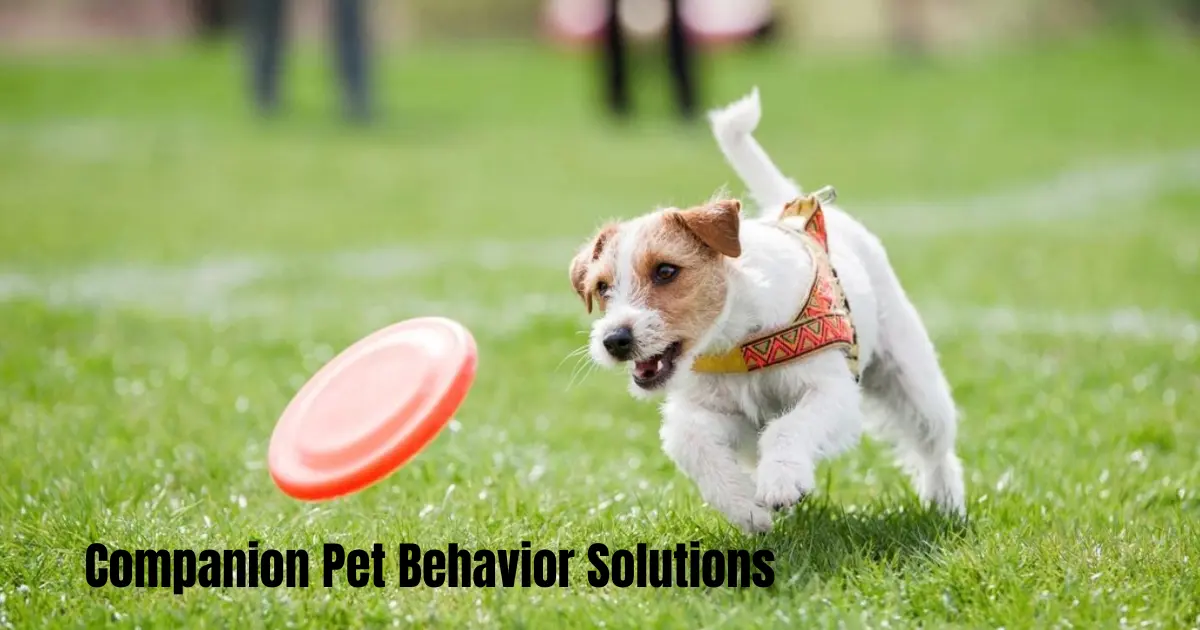
Pets bring joy, companionship, and unconditional love into our lives. Whether you share your home with a playful dog, a curious cat, or another beloved animal, living with a companion pet can be incredibly rewarding. However, every pet owner eventually encounters behavioral challenges that can create stress and confusion. From excessive barking and destructive chewing to litter box problems and anxiety, these issues often leave owners searching for effective companion pet behavior solutions.
The good news is that most behavioral problems can be understood, managed, and improved with the right approach. By learning why pets behave the way they do and implementing positive training techniques, owners can strengthen their bond with their animals while creating a happier household.
This guide explores the most common pet behavior problems, their causes, and practical companion pet behavior solutions that help both pets and owners thrive.
Understanding Pet Behavior
Before addressing any behavioral challenge, it is important to understand that behavior is a form of communication. Pets cannot explain their feelings with words, so they express themselves through actions.
A dog that barks excessively may be trying to communicate fear, boredom, excitement, or loneliness. A cat that scratches furniture may be marking territory or maintaining healthy claws. Understanding the motivation behind a behavior is the first step toward finding an effective solution.
Many behavior problems stem from:
- Lack of exercise
- Insufficient mental stimulation
- Anxiety or stress
- Inconsistent training
- Medical conditions
- Changes in routine
- Environmental factors
Rather than viewing undesirable behaviors as acts of disobedience, successful pet owners recognize them as signals that their pets need guidance, support, or adjustments to their environment.
Why Early Intervention Matters
Behavioral issues rarely disappear on their own. In fact, many problems become more deeply ingrained over time.
For example, a puppy that learns barking earns attention may continue barking into adulthood. Similarly, a cat that develops anxiety-related behaviors may become increasingly stressed if the underlying cause is not addressed.
Early intervention provides several benefits:
- Faster behavior improvement
- Reduced stress for pets and owners
- Stronger owner-pet relationships
- Lower risk of future complications
- Increased confidence in pets
The earlier owners implement companion pet behavior solutions, the greater the likelihood of achieving long-term success.
Common Dog Behavior Problems and Solutions
Excessive Barking
Barking is a natural canine behavior, but excessive barking can become disruptive.
Common Causes
- Boredom
- Separation anxiety
- Fear
- Territorial behavior
- Attention-seeking
Solutions
Provide daily physical exercise and mental enrichment. Interactive toys, training games, and regular walks help reduce boredom-related barking.
When barking is triggered by specific situations, identify the trigger and gradually desensitize your dog to it. Reward calm behavior and avoid unintentionally reinforcing barking by giving attention during episodes.
Consistency is essential. Family members should follow the same training approach to prevent confusion.
Destructive Chewing
Chewing is normal, especially in puppies. However, destructive chewing can damage furniture, shoes, and household items.
Common Causes
- Teething
- Boredom
- Anxiety
- Lack of supervision
Solutions
Provide appropriate chew toys and rotate them regularly to maintain interest. Increase exercise and enrichment activities to reduce boredom.
If anxiety contributes to chewing, identify the stressor and work on reducing your pet’s anxiety levels. Crate training and safe confinement areas can also prevent destructive behaviors when supervision is limited.
Jumping on People
Many dogs jump to greet people because they are excited and seeking attention.
Solutions
Teach an alternative greeting behavior, such as sitting calmly. Reward the dog only when all four paws remain on the ground.
Guests should avoid giving attention when the dog jumps. Consistent reinforcement of calm greetings helps establish better habits over time.
Pulling on the Leash
Leash pulling is one of the most common frustrations among dog owners.
Solutions
Reward loose-leash walking with treats and praise. Stop moving whenever the dog pulls and continue walking only when the leash relaxes.
Training sessions should be short, positive, and frequent. Patience and consistency often produce excellent results.
Common Cat Behavior Problems and Solutions
Inappropriate Scratching
Cats scratch to maintain claw health, stretch muscles, and mark territory.
Solutions
Provide multiple scratching posts in areas where the cat spends time. Experiment with different materials, including sisal, cardboard, and carpet-like textures.
Reward your cat for using scratching posts. Temporary furniture protectors can help redirect scratching behavior while new habits develop.
Litter Box Issues
When cats stop using the litter box consistently, owners often become concerned.
Common Causes
- Dirty litter boxes
- Stress
- Medical conditions
- Location preferences
- Changes in household routine
Solutions
Keep litter boxes clean and place them in quiet, accessible locations. Many experts recommend one litter box per cat plus an additional box.
If litter box issues suddenly appear, consult a veterinarian to rule out medical problems before assuming the cause is behavioral.
Aggression
Cat aggression can occur toward people, other pets, or unfamiliar animals.
Common Causes
- Fear
- Territorial disputes
- Pain
- Redirected frustration
Solutions
Identify and eliminate triggers whenever possible. Avoid punishment, as it often increases fear and aggression.
Gradual introductions, environmental enrichment, and positive reinforcement can significantly improve many forms of feline aggression.
Excessive Meowing
Some cats become unusually vocal due to boredom, hunger, attention-seeking, or health concerns.
Solutions
Provide regular play sessions, interactive toys, and predictable routines. Avoid rewarding excessive meowing with immediate attention, as this may reinforce the behavior.
If vocalization suddenly increases, seek veterinary guidance to rule out medical causes.
The Role of Positive Reinforcement
Positive reinforcement is one of the most effective companion pet behavior solutions available today.
This training method focuses on rewarding desired behaviors rather than punishing unwanted ones.
Examples include:
- Treats
- Praise
- Toys
- Affection
- Playtime
When a pet performs a desired behavior and receives a reward, the behavior becomes more likely to occur again.
Positive reinforcement offers several advantages:
- Builds trust
- Encourages learning
- Reduces fear
- Improves confidence
- Strengthens the human-animal bond
Modern animal behavior professionals widely support reward-based training because it promotes lasting behavioral change without creating unnecessary stress.
Environmental Enrichment for Better Behavior
Many behavioral problems stem from boredom and lack of stimulation.
Environmental enrichment helps meet pets’ physical and mental needs while reducing unwanted behaviors.
Enrichment Ideas for Dogs
- Puzzle feeders
- Snuffle mats
- Training games
- Interactive toys
- Agility exercises
- Regular walks
- Social interaction
Enrichment Ideas for Cats
- Climbing trees
- Window perches
- Puzzle feeders
- Wand toys
- Hide-and-seek games
- Rotating toys
- Vertical spaces
A mentally stimulated pet is often calmer, happier, and less likely to develop behavioral issues.
Managing Separation Anxiety
Separation anxiety is a common challenge among companion animals, particularly dogs.
Pets with separation anxiety may:
- Bark excessively
- Destroy property
- Pace repeatedly
- Eliminate indoors
- Attempt escape
Effective Solutions
Begin by creating positive associations with departures. Offer special treats or enrichment toys before leaving.
Practice short absences and gradually increase the duration. Maintain calm arrivals and departures to avoid increasing emotional intensity.
Providing exercise before leaving can also reduce anxiety levels.
In severe cases, consultation with a veterinarian or certified animal behavior professional may be necessary.
Socialization and Its Importance
Proper socialization helps pets develop confidence and adaptability.
Socialization involves exposing pets to various:
- People
- Animals
- Sounds
- Environments
- Experiences
Positive exposure during early developmental stages can significantly reduce fear-based behaviors later in life.
However, socialization remains beneficial throughout a pet’s lifetime. New experiences should always be introduced gradually and positively.
Understanding Fear-Based Behaviors
Fear is a major contributor to many behavior problems.
Signs of fear may include:
- Hiding
- Trembling
- Aggression
- Excessive barking
- Avoidance
- Destructive behavior
Punishing fearful pets often worsens the problem because it increases anxiety.
Instead, successful companion pet behavior solutions focus on:
- Creating safe environments
- Reducing exposure to triggers
- Building confidence
- Using positive reinforcement
- Encouraging gradual progress
Patience is especially important when helping fearful animals develop trust.
Establishing Consistent Routines
Pets thrive on predictability.
Consistent schedules help reduce stress and create a sense of security.
Try to maintain regular times for:
- Feeding
- Exercise
- Play
- Training
- Rest
Predictable routines help pets understand what to expect throughout the day, reducing anxiety-related behaviors.
Consistency among family members is equally important. Mixed messages often confuse pets and slow training progress.
Multi-Pet Household Behavior Solutions
Living with multiple pets can be rewarding, but conflicts occasionally arise.
Common Challenges
- Resource guarding
- Territorial behavior
- Competition for attention
- Inter-pet aggression
Solutions
Ensure each pet has access to essential resources, including food, water, resting areas, and toys.
Provide individual attention and training sessions. Monitor interactions and intervene early if tension develops.
Gradual introductions and positive associations often improve relationships between household pets.
The Connection Between Health and Behavior
Behavioral changes sometimes indicate underlying medical issues.
For example:
- Pain can cause aggression.
- Hormonal imbalances may affect mood.
- Digestive problems can influence litter box habits.
- Hearing or vision loss may increase anxiety.
When behavior changes suddenly or dramatically, veterinary evaluation should be considered a priority.
Addressing medical concerns often resolves behavioral symptoms more effectively than training alone.
Training Tips for Long-Term Success
Successful behavior modification requires commitment and consistency.
Focus on Small Steps
Large behavioral changes often occur through a series of smaller improvements.
Celebrate progress rather than expecting perfection immediately.
Keep Training Sessions Short
Short sessions help maintain focus and prevent frustration.
Five to ten minutes of quality training can be more effective than lengthy sessions.
Be Consistent
Use the same cues, rewards, and expectations every time.
Consistency accelerates learning and prevents confusion.
Stay Patient
Behavior change takes time.
Set realistic expectations and remember that setbacks are a normal part of the learning process.
When Professional Help Is Needed
Some behavioral issues require expert guidance.
Consider consulting a professional if your pet exhibits:
- Severe aggression
- Extreme anxiety
- Self-injurious behaviors
- Persistent fear
- Complex household conflicts
Qualified trainers and behavior specialists can develop personalized plans tailored to your pet’s specific needs.
Professional intervention often leads to faster and safer outcomes.
Building a Stronger Bond Through Behavior Solutions
Behavior modification is not simply about stopping unwanted actions. It is about understanding your pet’s needs and improving communication.
When owners invest time in learning and training, they often discover a deeper connection with their animals. Trust grows, confidence increases, and daily interactions become more enjoyable.
Every successful training session strengthens the relationship between pet and owner.
By focusing on compassion, patience, and consistency, owners create an environment where pets can thrive.
Conclusion
Finding effective companion pet behavior solutions begins with understanding why pets behave the way they do. Whether dealing with barking, scratching, anxiety, aggression, or other challenges, the key lies in identifying underlying causes and responding with positive, science-based methods.
Successful behavior management combines training, environmental enrichment, socialization, routine, and proper healthcare. Rather than relying on punishment, modern approaches emphasize communication, trust, and positive reinforcement.
Every pet is unique, and progress may take time. However, with patience, consistency, and a commitment to meeting your pet’s physical and emotional needs, even challenging behaviors can improve significantly.
The result is a happier pet, a more peaceful home, and a stronger lifelong bond between you and your cherished companion animal.
