

Introduction
In today’s world, pets are more than just animals we keep at home—they are family members, companions, and emotional anchors. As pet ownership continues to grow globally, so does the awareness of how important proper care and hygiene are for animals. One concept that has gained popularity in recent years is “pawsitive pet grooming.”
At its core, pawsitive pet grooming is not just about making pets look clean and stylish. It is a holistic, compassionate approach to grooming that prioritizes the emotional well-being, comfort, and trust of the animal. Instead of stressful, forceful grooming sessions, this method focuses on positive reinforcement, patience, gentle handling, and a calm environment.
This article explores everything you need to know about pawsitive pet grooming—its philosophy, benefits, techniques, tools, and why it is becoming the gold standard in modern pet care.
The Philosophy Behind Pawsitive Pet Grooming
The word “pawsitive” is a playful blend of “paw” and “positive,” and it perfectly captures the essence of this grooming approach. Traditional grooming methods sometimes prioritize speed and efficiency over comfort, which can lead to anxiety, fear, or resistance in pets. Pawsitive grooming flips that idea on its head.
Instead of forcing an animal through the process, it encourages:
- Trust-building between groomer and pet
- Reward-based training during grooming
- A stress-free and calm environment
- Gentle handling techniques
- Understanding animal behavior and body language
The goal is simple: make grooming something pets can tolerate—or even enjoy—rather than fear.
This approach is especially important for rescue animals, anxious pets, or those with negative grooming experiences in the past. Over time, pawsitive grooming helps reshape their perception of being handled, touched, or cleaned.
Why Grooming Matters More Than You Think
Grooming is often seen as a cosmetic activity, but in reality, it plays a vital role in a pet’s health and happiness.
Regular grooming helps with:
- Removing dirt, debris, and allergens
- Preventing matting and skin irritation
- Detecting parasites like fleas and ticks early
- Maintaining healthy nails, ears, and teeth
- Improving circulation and skin health
- Reducing shedding in the home
But beyond physical health, grooming also affects emotional well-being. Pets that are regularly groomed in a gentle manner tend to be more social, less anxious, and more comfortable with human interaction.
Core Principles of Pawsitive Pet Grooming
Pawsitive grooming is built on a few foundational principles that guide every action during the process.
1. Patience Over Speed
Instead of rushing through grooming tasks, the focus is on taking time. If a dog is nervous about nail trimming, the session may include simply touching the paws and rewarding calm behavior before attempting to trim.
2. Positive Reinforcement
Treats, praise, toys, and affection are used to reward good behavior. This helps pets associate grooming with positive outcomes.
3. Reading Body Language
Understanding when a pet is stressed is essential. Signs like tail tucking, ear flattening, growling, or restlessness signal the need to pause or adjust the approach.
4. Gentle Handling
No harsh restraint or force is used. Instead, groomers use supportive holds and calming techniques.
5. Consistency
Regular grooming sessions help pets build familiarity and reduce fear over time.
The Emotional Side of Grooming
Many pet owners underestimate how emotional grooming can be for animals. For some pets, being bathed, brushed, or handled by strangers can feel overwhelming.
Pawsitive pet grooming acknowledges this emotional layer. It treats fear and anxiety as real responses rather than behavior problems. By creating a safe and predictable environment, pets gradually learn that grooming is not something to fear.
For example, a dog that previously resisted baths may slowly learn to tolerate water if introduced gradually, paired with treats and soothing reassurance. Over time, that resistance often turns into acceptance—or even enjoyment.
Grooming Dogs the Pawsitive Way
Dogs come in many breeds, coat types, and temperaments, which means grooming approaches must be flexible.
Brushing
Brushing is often the first step in grooming. In pawsitive grooming, brushes are introduced slowly, allowing the dog to sniff and explore them before use. Short sessions are better than long ones, especially for anxious dogs.
Bathing
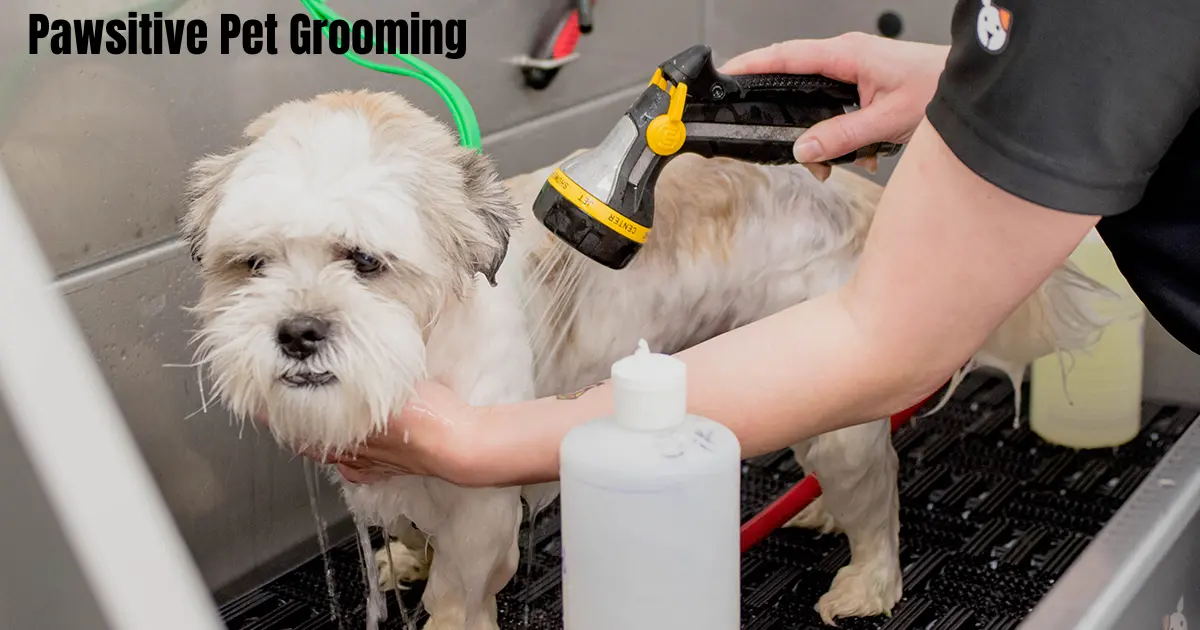
Water can be stressful for some dogs. A pawsitive approach involves:
- Using lukewarm water
- Speaking in a calm voice
- Introducing water gradually
- Offering treats during and after the bath
Nail Trimming
This is one of the most sensitive grooming tasks. Instead of forcing it, groomers may start by touching paws gently over several sessions before introducing clippers.
Ear and Eye Cleaning
These areas require extra care and patience. Gentle wiping with soft materials and positive reinforcement helps reduce discomfort.
Grooming Cats with Care and Understanding
Cats are often more sensitive than dogs when it comes to grooming. They are highly independent animals and may resist handling if they feel threatened.
Pawsitive grooming for cats includes:
- Allowing the cat to approach grooming tools first
- Using soft brushes designed for sensitive skin
- Keeping sessions short and calm
- Avoiding restraint whenever possible
- Rewarding calm behavior with treats or affection
Some cats may never fully enjoy grooming, but with patience, they can learn to tolerate it without stress.
The Role of Environment in Pawsitive Grooming
The grooming environment plays a huge role in how pets respond.
A calming grooming space should include:
- Minimal loud noises
- Soft lighting
- Non-slip surfaces
- Familiar scents
- Calm human behavior
Even the energy of the groomer matters. Animals are highly sensitive to tone and body language. A calm, confident groomer helps create a sense of safety.
Tools Used in Pawsitive Pet Grooming
The right tools can make a big difference in comfort and efficiency.
Common tools include:
- Soft-bristle brushes
- De-shedding tools
- Rounded-tip scissors
- Quiet clippers
- Gentle shampoos
- Microfiber towels
The emphasis is always on comfort and safety rather than speed or force.
Benefits of Pawsitive Pet Grooming
The benefits of this approach extend far beyond aesthetics.
1. Reduced Anxiety
Pets become less fearful of grooming over time.
2. Stronger Human-Animal Bond
Trust builds between pets and caregivers.
3. Better Physical Health
Regular grooming helps prevent infections, matting, and skin issues.
4. Easier Grooming Sessions Over Time
Once pets become comfortable, grooming becomes faster and easier.
5. Improved Behavior
Calm grooming experiences often translate into calmer behavior in other situations.
Common Mistakes in Traditional Grooming
Understanding what not to do is just as important as knowing the right approach.
Some common mistakes include:
- Rushing through grooming sessions
- Ignoring signs of stress
- Using excessive restraint
- Skipping desensitization steps
- Using loud or intimidating tools
These mistakes can lead to long-term grooming anxiety in pets.
Transitioning a Pet to Pawsitive Grooming
If a pet has had negative grooming experiences, transitioning to a pawsitive approach takes time.
Steps include:
- Start with short, non-invasive sessions
- Introduce grooming tools gradually
- Reward calm behavior consistently
- Avoid forcing completion of tasks
- Increase session length slowly
Patience is the key ingredient in this transition.
DIY Pawsitive Grooming at Home
Pet owners can also apply pawsitive grooming principles at home.
Some tips include:
- Groom your pet in a quiet, familiar space
- Use treats frequently during grooming
- Keep sessions short and positive
- Stop before your pet becomes stressed
- Maintain a gentle tone of voice
Even simple routines like brushing your pet while talking softly can strengthen trust.
Professional Groomers vs Home Grooming
Both professional grooming and home grooming have their place.
Professional groomers offer:
- Expertise with different breeds
- Specialized tools
- Efficient handling of complex grooming tasks
Home grooming offers:
- Comfort of familiar surroundings
- Stronger bonding opportunities
- Flexibility in timing and pace
The ideal approach often combines both methods.
Special Needs and Senior Pets
Older pets or those with medical conditions require extra care during grooming.
Pawsitive grooming for special needs pets includes:
- Slower movements
- Extra cushioning and support
- Shorter grooming sessions
- Frequent breaks
- Close attention to physical comfort
Senior pets may also have joint pain or sensitive skin, requiring even more gentle handling.
Seasonal Grooming Considerations
Grooming needs often change with seasons.
Summer
- Increased shedding
- Need for cooling and hygiene
- More frequent brushing
Winter
- Skin dryness prevention
- Coat preservation for warmth
- Less frequent bathing
Pawsitive grooming adjusts to these seasonal needs while maintaining comfort.
The Psychology Behind Positive Reinforcement
Positive reinforcement works because it taps into basic learning principles. When a pet associates grooming with rewards, their brain begins to reframe the experience.
Instead of thinking “this is scary,” the pet starts thinking “this leads to something good.”
Over time, this reshapes behavior in a lasting way, making grooming significantly easier.
Building a Lifetime Grooming Routine
Consistency is the most powerful tool in pawsitive grooming. A lifelong routine might include:
- Weekly brushing
- Monthly baths (depending on breed)
- Regular nail trimming
- Periodic ear and eye checks
The earlier this routine starts in a pet’s life, the easier it becomes to maintain.
The Future of Pet Grooming
The future of grooming is clearly moving toward more compassionate, behavior-focused care. As awareness grows, more groomers and pet owners are adopting pawsitive methods.
We can expect to see:
- More fear-free grooming certifications
- Improved low-stress grooming equipment
- Greater focus on animal psychology
- Wider adoption of reward-based techniques
Ultimately, the goal is simple: happier pets and more peaceful grooming experiences.
Conclusion
Pawsitive pet grooming is more than just a trend—it is a thoughtful, compassionate approach to caring for animals. By prioritizing comfort, patience, and positive reinforcement, it transforms grooming from a stressful necessity into a bonding experience.
Whether you are a pet owner grooming your dog at home or a professional groomer working with a variety of animals, adopting pawsitive principles can make a profound difference. It improves not only the physical health of pets but also their emotional well-being and trust in humans.
At its heart, pawsitive pet grooming is about respect—respect for the animal, their emotions, and their experience of the world. And when that respect is present, grooming becomes something truly beautiful: a shared moment of care, calm, and connection.
