

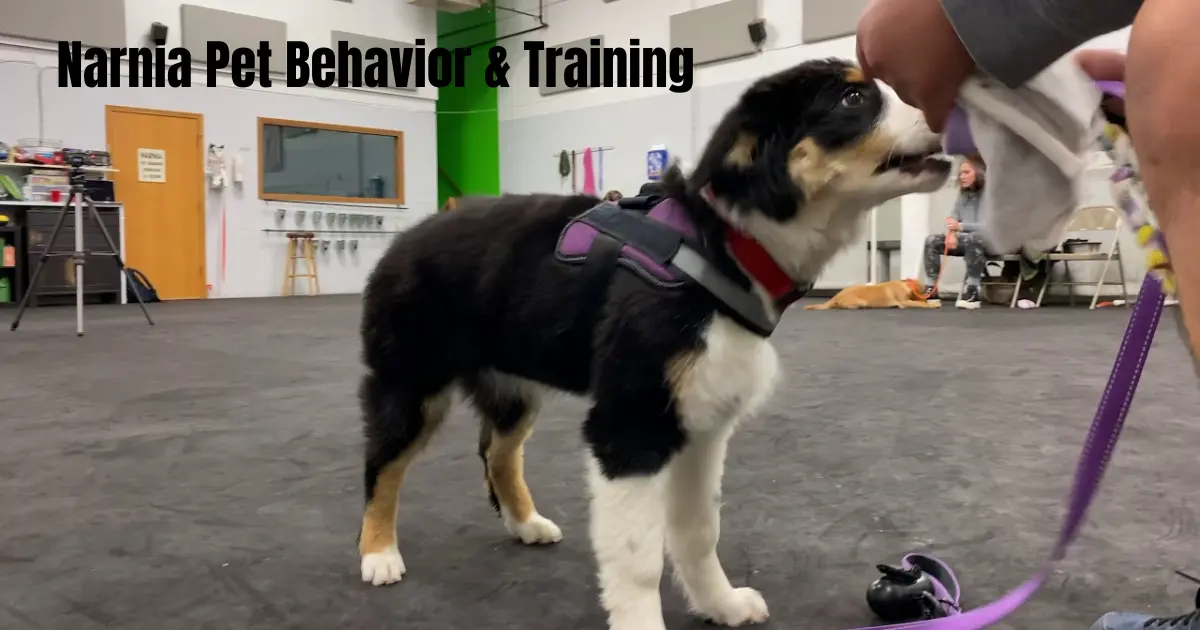
Pets bring joy, companionship, and unconditional love into our lives. Whether you own a playful puppy, a curious cat, a talkative bird, or a small exotic animal, understanding behavior and training is essential for creating a healthy relationship. The concept of Narnia pet behavior & training focuses on building trust, encouraging positive habits, and developing effective communication between pets and their owners.
Training is much more than teaching commands. It is about understanding why pets behave the way they do and helping them become confident, well-adjusted companions. When owners learn how to interpret pet behavior correctly, they can prevent many common problems and create an environment where animals thrive.
In this guide, we will explore the fundamentals of pet behavior, practical training techniques, common challenges, and proven strategies for raising a happy and obedient pet.
Understanding Pet Behavior
Every pet communicates through behavior. Unlike humans, animals rely on body language, sounds, and actions to express their emotions and needs. Understanding these signals is the first step toward successful training.
Why Pets Behave the Way They Do
Pet behavior is influenced by several factors:
- Genetics and breed characteristics
- Environment and living conditions
- Early socialization experiences
- Health and physical well-being
- Training and reinforcement history
For example, some dog breeds are naturally energetic and require more exercise. Certain cat breeds may be more independent, while others seek constant interaction. Recognizing these natural tendencies helps owners set realistic expectations.
Reading Body Language
Animals communicate constantly through their bodies. Learning to recognize these signs can prevent misunderstandings.
Signs of Relaxation
A relaxed pet may display:
- Loose body posture
- Calm breathing
- Soft eyes
- Gentle tail movements
- Comfortable resting positions
Signs of Stress
A stressed pet may show:
- Excessive panting
- Pacing
- Hiding
- Trembling
- Flattened ears
- Aggressive reactions
When pets display stress signals, it is important to identify the cause and reduce pressure rather than forcing interaction.
The Foundation of Effective Training
Successful training begins with trust. Pets learn best when they feel safe and secure.
Building a Strong Bond
Before teaching commands or correcting behaviors, focus on strengthening your relationship.
Ways to build trust include:
- Spending quality time together
- Providing consistent care
- Using calm communication
- Respecting boundaries
- Rewarding positive behavior
A pet that trusts its owner is generally more willing to learn and cooperate.
Consistency Matters
One of the most important principles in Narnia pet behavior & training is consistency.
If a behavior is allowed one day but discouraged the next, pets become confused. Every member of the household should follow the same rules and expectations.
For example:
- Decide whether pets are allowed on furniture.
- Use the same command words.
- Maintain consistent feeding schedules.
- Follow regular training routines.
Consistency helps pets understand what is expected of them.
Positive Reinforcement Training
Positive reinforcement is one of the most effective and humane training methods available.
What Is Positive Reinforcement?
Positive reinforcement means rewarding a desired behavior so that it is more likely to occur again.
Rewards may include:
- Treats
- Praise
- Toys
- Petting
- Playtime
When a pet sits on command and receives a reward, the behavior becomes associated with positive outcomes.
Benefits of Positive Reinforcement
This training approach offers several advantages:
- Strengthens trust
- Reduces fear
- Encourages faster learning
- Improves confidence
- Creates lasting behavior changes
Pets trained through positive methods often display greater enthusiasm and willingness to participate.
Timing Is Critical
Rewards should be delivered immediately after the desired behavior occurs.
For example:
- Give the “sit” command.
- The pet sits.
- Provide a reward within seconds.
Delayed rewards may confuse the animal and weaken the learning process.
Basic Training Commands
Teaching basic commands creates structure and improves communication.
Sit
The sit command is usually the first skill taught.
Benefits include:
- Improved impulse control
- Easier management in public
- Foundation for advanced training
Practice in short sessions using treats and praise.
Stay
Stay teaches patience and self-control.
Begin with short durations and gradually increase the difficulty.
Come
A reliable recall command is one of the most valuable skills for safety.
Always make coming to you a positive experience.
Never punish a pet after it responds to a recall command, even if it was previously misbehaving.
Leave It
This command helps prevent pets from picking up dangerous objects or engaging in unwanted behaviors.
Practice regularly using low-value distractions before advancing to more challenging situations.
House Training Essentials
House training is often a top priority for pet owners.
Establish a Routine
Animals learn quickly when schedules are predictable.
Create regular times for:
- Feeding
- Bathroom breaks
- Exercise
- Rest
Routine helps pets understand when and where elimination is appropriate.
Reward Success
Whenever a pet eliminates in the correct location, provide immediate praise and rewards.
Positive experiences accelerate learning.
Managing Accidents
Accidents are part of the learning process.
Avoid punishment, which may create fear and confusion.
Instead:
- Clean thoroughly
- Review the schedule
- Increase supervision
- Reinforce successful behavior
Patience is key during house training.
Socialization and Confidence Building
Socialization plays a crucial role in long-term behavior.
Why Socialization Matters
Proper socialization helps pets feel comfortable around:
- New people
- Other animals
- Different environments
- Unusual sounds
- Various experiences
Well-socialized pets tend to be more confident and less reactive.
Early Socialization
Young animals are especially receptive to new experiences.
Expose them gradually to:
- Car rides
- Grooming
- Veterinary visits
- Friendly strangers
- Household noises
Always keep experiences positive and manageable.
Socializing Adult Pets
Older pets can still learn and adapt.
Progress may be slower, but patience and consistency can produce excellent results.
Focus on gradual exposure and positive reinforcement.
Understanding Common Behavioral Problems
Even well-loved pets may develop behavioral challenges.
Understanding the root cause is essential for effective solutions.
Excessive Barking
Dogs bark for many reasons:
- Boredom
- Fear
- Excitement
- Attention seeking
- Territorial behavior
Addressing the underlying cause often reduces barking more effectively than punishment.
Destructive Chewing
Chewing can result from:
- Teething
- Anxiety
- Lack of exercise
- Curiosity
Provide appropriate chew toys and ensure pets receive sufficient physical and mental stimulation.
Jumping on People
Many pets jump because the behavior has been rewarded with attention.
Teach alternative behaviors such as sitting calmly when greeting visitors.
Separation Anxiety
Some pets experience distress when left alone.
Signs may include:
- Vocalization
- Destructive behavior
- House-soiling
- Excessive pacing
Solutions often involve gradual independence training and environmental enrichment.
Training Cats Effectively
Cats are highly intelligent and trainable, although their learning style differs from that of dogs.
Understanding Cat Motivation
Cats often respond best to:
- Food rewards
- Interactive toys
- Clicker training
- Short sessions
Training should remain enjoyable and voluntary.
Useful Cat Behaviors to Teach
Cats can learn:
- Come when called
- Sit
- High five
- Enter a carrier
- Use scratching posts
Regular practice strengthens desired behaviors.
Preventing Unwanted Behaviors
Rather than punishment, focus on redirection.
For example:
- Provide scratching posts for scratching behavior.
- Offer climbing structures for exploration.
- Create enrichment opportunities.
Meeting natural instincts reduces many behavior problems.
Bird Behavior and Training
Birds are intelligent creatures that require mental stimulation.
Building Trust with Birds
Trust develops through:
- Gentle interactions
- Consistent routines
- Respect for boundaries
- Positive reinforcement
Rushing physical contact may damage confidence.
Teaching Basic Commands
Birds can learn:
- Step up
- Recall
- Target training
- Simple tricks
Training sessions should be short and engaging.
Preventing Behavioral Issues
Birds may develop unwanted behaviors when bored.
Provide:
- Toys
- Foraging opportunities
- Social interaction
- Environmental enrichment
Mental stimulation is essential for healthy bird behavior.
Small Animal Training
Rabbits, guinea pigs, ferrets, and other small pets can also benefit from training.
Litter Training
Many small animals can learn designated bathroom areas.
Use rewards and consistency to encourage success.
Handling Training
Gradual handling exercises help pets become comfortable with human interaction.
Always respect comfort levels and avoid forcing contact.
Enrichment Activities
Small animals enjoy:
- Tunnels
- Puzzle feeders
- Climbing structures
- Exploration opportunities
Enrichment reduces stress and encourages natural behaviors.
The Role of Exercise in Behavior
Physical activity significantly influences behavior.
Benefits of Regular Exercise
Exercise helps:
- Burn excess energy
- Reduce stress
- Improve health
- Prevent boredom
- Strengthen training success
Insufficient exercise often contributes to behavioral issues.
Matching Exercise to the Pet
Different pets have different needs.
Consider factors such as:
- Age
- Breed
- Health status
- Energy level
A tailored exercise routine supports balanced behavior.
Mental Stimulation and Enrichment
Training alone is not enough.
Pets also need mental challenges.
Enrichment Ideas
Popular enrichment activities include:
- Puzzle toys
- Hide-and-seek games
- Scent work
- Food-dispensing toys
- Training challenges
Mental exercise can be just as important as physical exercise.
Rotating Activities
Introducing new activities prevents boredom and keeps pets engaged.
Rotate toys regularly to maintain interest.
Avoiding Common Training Mistakes
Many owners unknowingly slow progress through avoidable mistakes.
Inconsistent Rules
Changing expectations confuses pets and delays learning.
Training Sessions That Are Too Long
Short sessions are usually more effective.
Aim for:
- Five to fifteen minutes
- Multiple sessions daily
- Positive endings
Punishment-Based Methods
Harsh corrections may create:
- Fear
- Anxiety
- Aggression
- Reduced trust
Positive reinforcement generally produces better long-term results.
Ignoring Good Behavior
Owners often notice problems but overlook good behavior.
Rewarding desirable actions encourages repetition.
Advanced Training Opportunities
Once basic skills are mastered, pets can learn more advanced tasks.
Trick Training
Teaching tricks improves:
- Confidence
- Mental stimulation
- Owner-pet bonding
Popular tricks include:
- Spin
- Roll over
- Fetch
- Wave
- Retrieve objects
Agility Training
Agility activities provide physical and mental challenges.
Benefits include:
- Improved coordination
- Better focus
- Increased confidence
- Stronger communication
Therapy and Service Work
Some pets demonstrate the temperament and skills needed for specialized roles.
Advanced training may prepare animals for:
- Therapy visits
- Emotional support roles
- Service-related tasks
These programs require extensive training and evaluation.
Creating a Training Plan
A structured plan improves results.
Set Clear Goals
Examples include:
- Reliable recall
- Reduced barking
- Improved leash manners
- Better social skills
Specific goals make progress easier to track.
Break Tasks into Small Steps
Complex behaviors should be divided into manageable stages.
Reward each successful step toward the final goal.
Track Progress
Keep notes regarding:
- Success rates
- Challenges
- Environmental factors
- Training duration
Monitoring progress helps identify effective strategies.
The Importance of Patience
Training is a journey rather than a destination.
Every pet learns at its own pace.
Some behaviors may improve quickly, while others require weeks or months of consistent effort.
Patience allows pets to learn without pressure and helps maintain a positive relationship throughout the process.
Owners who remain calm, consistent, and encouraging often achieve the best long-term results.
Conclusion
Narnia pet behavior & training is about more than obedience. It is a comprehensive approach that focuses on understanding animal behavior, building trust, and encouraging positive habits through humane training methods.
Whether you are raising a dog, cat, bird, rabbit, or another companion animal, successful training begins with communication and respect. By using positive reinforcement, maintaining consistency, providing adequate exercise, and supporting mental enrichment, owners can help pets become confident, well-adjusted family members.
The strongest relationships are built on trust, patience, and understanding. When training is approached as a partnership rather than a struggle, both pets and owners enjoy a happier, healthier, and more rewarding life together.
