

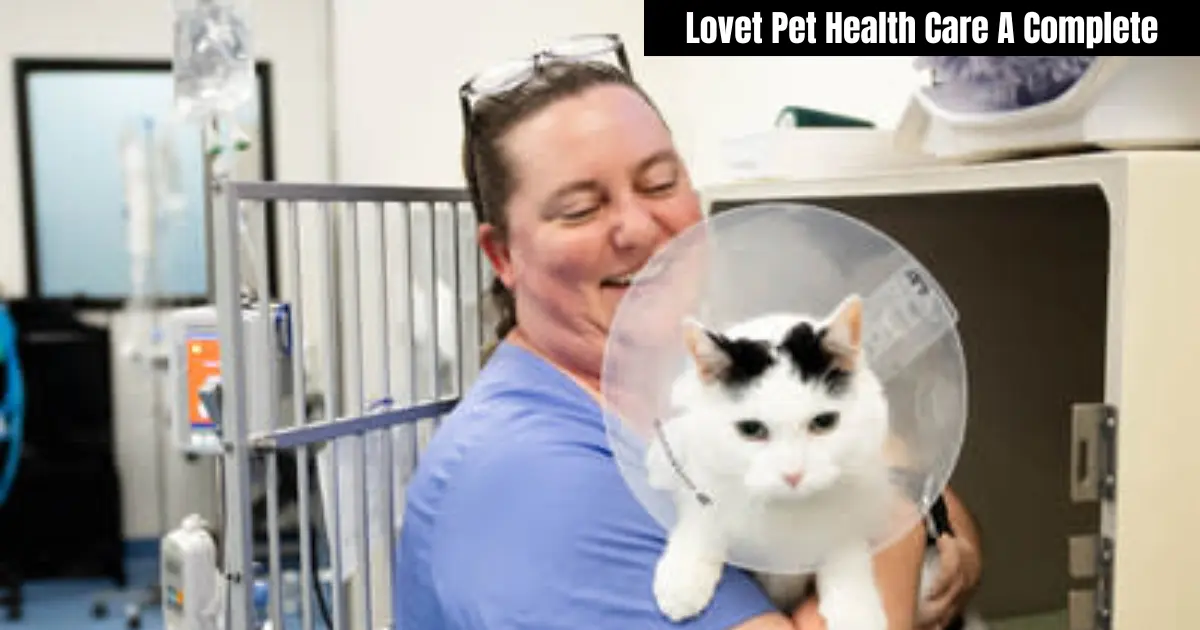
Pets are more than just animals. They are loyal companions, trusted friends, and beloved members of the family. Whether you have a playful puppy, a curious cat, or another cherished pet, their health and wellbeing should always be a priority. This is where Lovet Pet Health Care becomes an important part of responsible pet ownership.
Providing proper pet health care is not only about treating illnesses. It involves preventive care, balanced nutrition, regular exercise, mental stimulation, and routine veterinary checkups. By understanding the essentials of pet care, you can help your furry friend live a longer, healthier, and happier life.
What Is Lovet Pet Health Care?
Lovet Pet Health Care represents a comprehensive approach to maintaining the physical and emotional wellbeing of pets. It focuses on preventive measures, early disease detection, proper nutrition, and consistent healthcare practices that support a pet’s overall quality of life.
Modern pet owners recognize that healthcare is an ongoing commitment rather than a response to illness. Taking proactive steps today can prevent serious health issues in the future.
Why Pet Health Care Matters
Many common pet health problems can be prevented or managed effectively when identified early. Regular care helps:
- Improve overall quality of life
- Reduce the risk of chronic diseases
- Detect health issues before they become serious
- Support healthy growth and development
- Increase life expectancy
- Strengthen the bond between pets and owners
A healthy pet is generally more active, energetic, and emotionally balanced.
Essential Components of Lovet Pet Health Care
Regular Veterinary Checkups
Routine veterinary visits are one of the most important aspects of pet healthcare. Even if your pet appears healthy, annual or biannual examinations can identify underlying issues that may not show obvious symptoms.
Veterinarians typically assess:
- Weight and body condition
- Dental health
- Heart and respiratory function
- Skin and coat condition
- Vaccination status
- Parasite prevention needs
Early diagnosis often leads to better treatment outcomes and lower healthcare costs.
Proper Nutrition for Lifelong Health
Nutrition plays a critical role in maintaining your pet’s health. Every pet has unique dietary requirements based on age, breed, size, activity level, and medical history.
A balanced diet should provide:
- High quality protein
- Essential vitamins and minerals
- Healthy fats
- Adequate hydration
- Appropriate calorie intake
Avoid overfeeding and limit unhealthy treats. Obesity is one of the most common health concerns among pets and can contribute to diabetes, joint problems, and heart disease.
Vaccinations and Preventive Care
Vaccinations protect pets from potentially serious diseases. Following a veterinarian recommended vaccination schedule helps safeguard both pets and their surrounding communities.
Common preventive measures include:
- Core vaccinations
- Flea prevention
- Tick control
- Heartworm prevention
- Deworming treatments
Preventive care is often more affordable and effective than treating advanced illnesses.
Exercise and Physical Activity
Regular exercise supports healthy weight management, muscle strength, cardiovascular health, and mental wellbeing.
For dogs, activities may include:
- Daily walks
- Fetch games
- Hiking adventures
- Agility training
For cats, exercise can involve:
- Interactive toys
- Climbing structures
- Laser play sessions
- Puzzle feeders
Consistent activity helps reduce boredom and behavioral problems.
Mental Stimulation and Emotional Wellness
Mental health is just as important as physical health. Pets thrive when they receive attention, enrichment, and opportunities to engage their natural instincts.
Ways to support emotional wellbeing include:
- Interactive play
- Social interaction
- Training sessions
- Environmental enrichment
- Consistent routines
Mental stimulation can reduce anxiety, stress, and destructive behavior.
Common Pet Health Issues to Watch For
Obesity
Excess weight can lead to numerous health complications, including arthritis, diabetes, and cardiovascular issues. Monitoring your pet’s weight and maintaining an active lifestyle are essential preventive measures.
Dental Disease
Dental problems affect many pets, especially as they age. Symptoms may include bad breath, difficulty eating, and inflamed gums.
Regular dental care should include:
- Tooth brushing
- Dental chews
- Professional cleanings when necessary
Skin and Coat Problems
Healthy skin and a shiny coat are indicators of overall wellbeing. Excessive scratching, hair loss, redness, or irritation may signal allergies, infections, or parasites.
Digestive Disorders
Digestive issues can result from dietary changes, food sensitivities, infections, or underlying medical conditions.
Common signs include:
- Vomiting
- Diarrhea
- Loss of appetite
- Weight loss
Prompt veterinary attention is recommended if symptoms persist.
How to Create a Pet Health Care Routine
Developing a consistent healthcare routine helps ensure your pet receives the attention they need throughout every stage of life.
A practical routine may include:
Daily Care
- Fresh water
- Balanced meals
- Exercise
- Observation for unusual behavior
Weekly Care
- Grooming
- Weight monitoring
- Cleaning living areas
- Inspecting ears and paws
Monthly Care
- Parasite prevention treatments
- Health checks at home
- Updating healthcare records
Annual Care
- Veterinary examinations
- Vaccinations
- Dental evaluations
- Blood testing when recommended
Consistency is often the key to long term pet health success.
The Role of Pet Owners in Preventive Healthcare
Pet owners serve as the first line of defense against health issues. Paying attention to behavioral changes, eating habits, activity levels, and physical appearance can help identify concerns early.
Contact a veterinarian if you notice:
- Sudden weight changes
- Persistent coughing
- Excessive thirst
- Lethargy
- Changes in appetite
- Difficulty moving
Early intervention can significantly improve outcomes.
Choosing the Right Healthcare Approach for Your Pet
Every pet is unique. Factors such as breed, age, genetics, and lifestyle influence healthcare needs. Working closely with veterinary professionals allows owners to create personalized care plans that address specific risks and requirements.
The most effective healthcare strategies combine preventive care, proper nutrition, regular monitoring, and prompt medical attention when needed.
Conclusion
Lovet Pet Health Care is about more than treating illness. It is a commitment to providing pets with the support they need to thrive throughout their lives. Through preventive care, proper nutrition, regular exercise, mental stimulation, and routine veterinary visits, pet owners can create a strong foundation for lifelong health and happiness.
When pets receive consistent care and attention, they enjoy a better quality of life and reward their families with years of companionship, loyalty, and love. Investing in your pet’s health today is one of the best decisions you can make for their future.
